


Blood Strike Recoil Control Guide: How to Improve Your Aim

2026-11-10 10:02:24
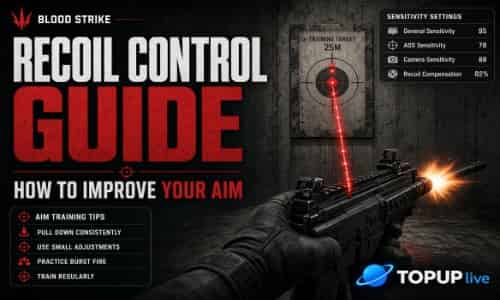
Winning gunfights in Blood Strike takes more than fast reactions. Uncontrolled recoil can make it difficult to land consecutive shots, especially at medium and long range. Learning recoil patterns, adjusting sensitivity, and choosing suitable attachments can help improve accuracy.
This Blood Strike Recoil Control Guide explains practical recoil-control techniques, sensitivity adjustments, weapon choices, and training methods to help players aim more consistently.
Players who want to unlock additional cosmetic content can top up Golds on TOPUPlive for eligible in-game purchases.



100+5 Golds


300+20 Golds

500+40 Golds

1000+100 Golds

▍Understanding Recoil in Blood Strike
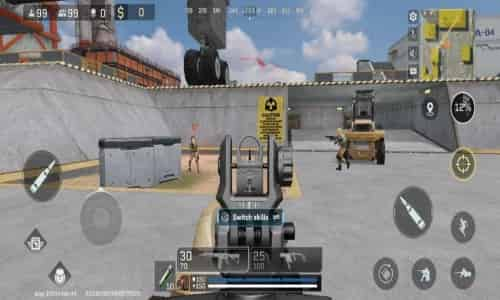
Recoil is the movement of a weapon when it fires. As players hold down the fire button, the weapon's aim may move away from the original target, making it harder to keep bullets on an opponent.
In Blood Strike, recoil control is particularly important when using automatic weapons. The longer a player continuously fires, the more difficult it can become to maintain accurate shots, depending on the weapon and engagement distance.
The Two Main Types of Recoil
Understanding the difference between vertical and horizontal recoil is the first step toward improving aim.
Recoil Type | How It Works | How to Control It |
|---|---|---|
Vertical Recoil | The weapon's aim moves upward as shots are fired. | Gradually pull your aim downward while shooting. |
Horizontal Recoil | The weapon's aim moves left or right during sustained fire. | Learn the weapon's recoil behavior and make small directional adjustments. |
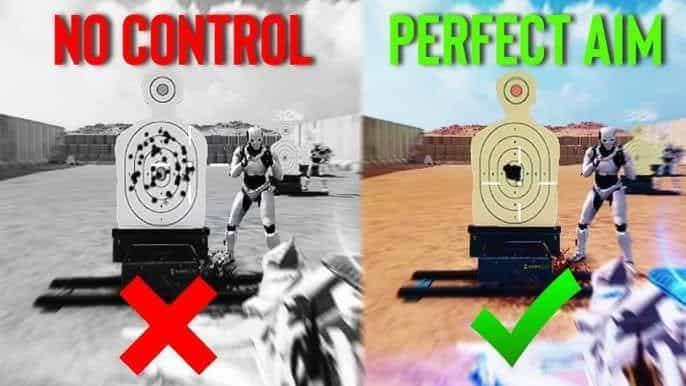
Some weapons are easier to control than others. Their recoil behavior can also change depending on the weapon configuration and attachments. As a result, players should practice with their preferred weapons rather than relying on one universal recoil-control technique.
Why Recoil Control Matters
Good recoil control offers several advantages:
- More consistent damage: Keeping shots closer to the target helps players land more bullets during an engagement.
- Better mid-range accuracy: Controlled firing makes automatic weapons easier to use against moving targets at moderate distances.
- Improved ammunition efficiency: Fewer missed shots mean less ammunition is wasted.
- More reliable gunfights: Players can maintain pressure on opponents without losing control of their aim.
▍Best Recoil Control Techniques in Blood Strike
Recoil control is a combination of aim adjustment, firing discipline, and positioning. Instead of holding the fire button continuously in every situation, players should adjust their shooting style according to the distance and weapon they are using.
Pull Down Gradually to Counter Vertical Recoil
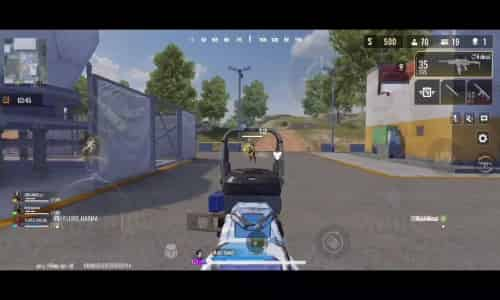
The most basic recoil-control technique is pulling the aim downward while firing. When a weapon moves upward, a gradual downward adjustment helps keep the crosshair closer to the target.
However, pulling down too quickly can cause the aim to move below the opponent. The goal is to make small, controlled adjustments rather than dragging the crosshair sharply.
A useful way to learn this technique is to fire at a stationary target and observe how the weapon moves during a sustained burst. Players can then gradually adjust their downward input until more shots land near the intended target.
Use Burst Fire Instead of Always Holding the Trigger
Full-auto firing is not always the best choice. At longer distances, sustained fire can make recoil increasingly difficult to manage. Burst firing gives players more opportunities to reset their aim between shots.
Firing Method | Best Situation | Main Advantage |
|---|---|---|
Full-Auto Fire | Close-range encounters | Delivers continuous damage quickly. |
Short Bursts | Medium-range engagements | Makes recoil easier to manage. |
Single Shots | Longer-range engagements | Offers more control when precision matters. |
The ideal firing method depends on the weapon. Automatic weapons may perform well with short bursts at medium range, while weapons designed for precision shooting are better suited to controlled individual shots.
Keep Your Crosshair at Head Level
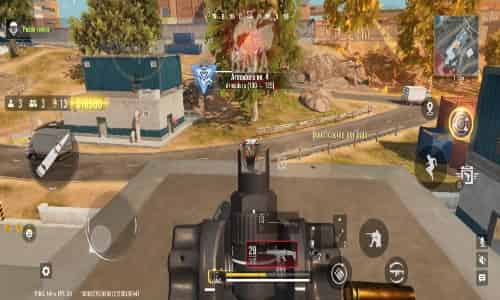
Recoil control begins before the first bullet is fired. Keeping the crosshair around head level reduces the amount of adjustment needed when an enemy appears. This technique, commonly called crosshair placement, is especially useful when moving through buildings, approaching corners, or holding an angle.
Instead of aiming at the ground while moving, players should keep their crosshair near the height where an opponent's head is likely to appear. This makes it easier to react and land accurate opening shots.
Adjust Your Aim According to Engagement Distance
Different distances require different shooting techniques.
- Close range: Prioritize target tracking and quick reactions. Full-auto fire is often useful when fighting at close distances.
- Medium range: Use controlled bursts and make small recoil adjustments to maintain accuracy.
- Long range: Avoid unnecessary sustained fire. More controlled shots can help prevent recoil from moving the aim away from the target.
Knowing when to stop firing is just as important as knowing how to control recoil.
▍Best Blood Strike Sensitivity Settings for Better Aim
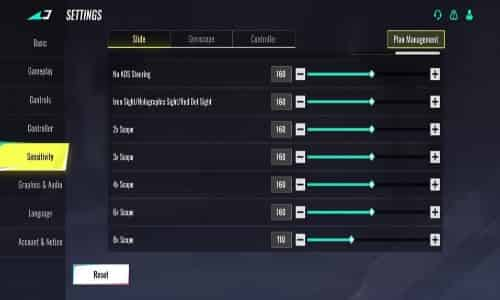
Sensitivity determines how quickly the camera or aiming direction responds to player input. If sensitivity is too high, small movements may cause the crosshair to move too far. If it is too low, tracking moving enemies can become difficult.
There is no single sensitivity setting that works for every Blood Strike player. The best configuration depends on device size, control layout, input method, and personal aiming habits.
Camera Sensitivity vs. ADS Sensitivity
These settings serve different purposes and should be adjusted separately when the game provides those options.
Setting | Function | Adjustment Advice |
|---|---|---|
Camera Sensitivity | Controls general camera movement when looking around. | Keep it comfortable enough to turn and track opponents quickly. |
ADS Sensitivity | Controls aiming movement while using sights or aiming down sights. | Adjust it to make small corrections easier during gunfights. |
Scope Sensitivity | Controls aiming movement with supported magnified sights, if separately available. | Test each magnification level and prioritize stable tracking. |
Gyroscope Sensitivity | Controls aim movement through device motion, if supported and enabled. | Start with manageable values and increase gradually as control improves. |
How to Find Your Ideal Sensitivity
Rather than copying another player's settings immediately, use a gradual adjustment process:
- Start with your current sensitivity settings.
- Enter a practice environment and test basic camera movement.
- Track a moving target and observe whether your crosshair moves too quickly or too slowly.
- Test ADS sensitivity with your preferred weapon.
- Change one setting at a time and repeat the same test.
- Keep the configuration that provides the most consistent control.
Changing multiple sensitivity settings at once makes it difficult to identify which adjustment actually improves your aim.
Sensitivity is only one part of creating a comfortable setup. Players who want to optimize their overall gameplay experience can also check out our Blood Strike Best Settings 2026: Best Sensitivity, Graphics, HUD & Controls guide for more tips on graphics, HUD layout, and control configurations.
Should You Use Gyroscope Controls?
Gyroscope aiming can provide another way to make small aiming adjustments on supported mobile devices. It allows players to move their device to influence their aim instead of relying entirely on touch input.
However, it may take time to become comfortable with this control method. Players who are new to gyroscope aiming can start with a lower sensitivity and practice tracking stationary and moving targets before using it in competitive matches.
Gyroscope controls are optional. Players can still develop good recoil control through conventional touch controls.
▍Best Weapon Types for Practicing Recoil Control
Not every weapon behaves the same way. Some are easier to handle during sustained fire, while others require more careful aiming and firing discipline.
For beginners, choosing a weapon that feels comfortable is often more useful than immediately trying to master the most difficult weapon available.
Weapon Type | General Characteristics | Recoil-Control Advice |
|---|---|---|
Assault Rifles | Versatile weapons suitable for different engagement distances. | Practice controlled bursts and gradual downward adjustments. |
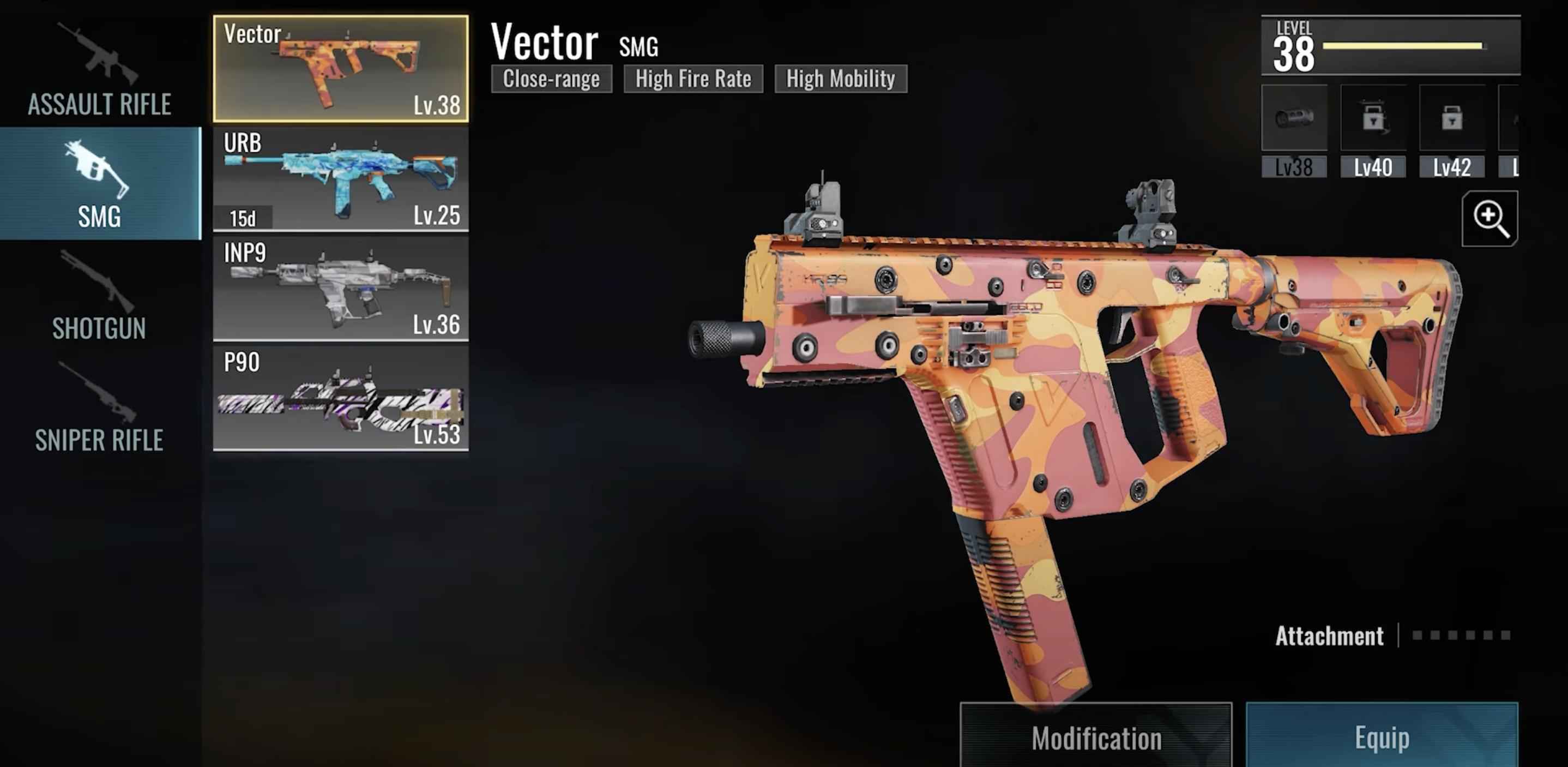
Submachine Guns (SMGs) | Generally suited to close-range combat and fast engagements. | Focus on tracking opponents while maintaining control during continuous fire. |
Light Machine Guns (LMGs) | Designed for sustained firing and ammunition capacity. | Learn the weapon's firing behavior and avoid unnecessary long-range spraying. |
Sniper Rifles | Focus on precision and longer-range engagements. | Prioritize crosshair placement and accurate individual shots. |
| Effective at close range, where positioning is especially important. | Focus on target alignment and timing rather than sustained recoil control. |
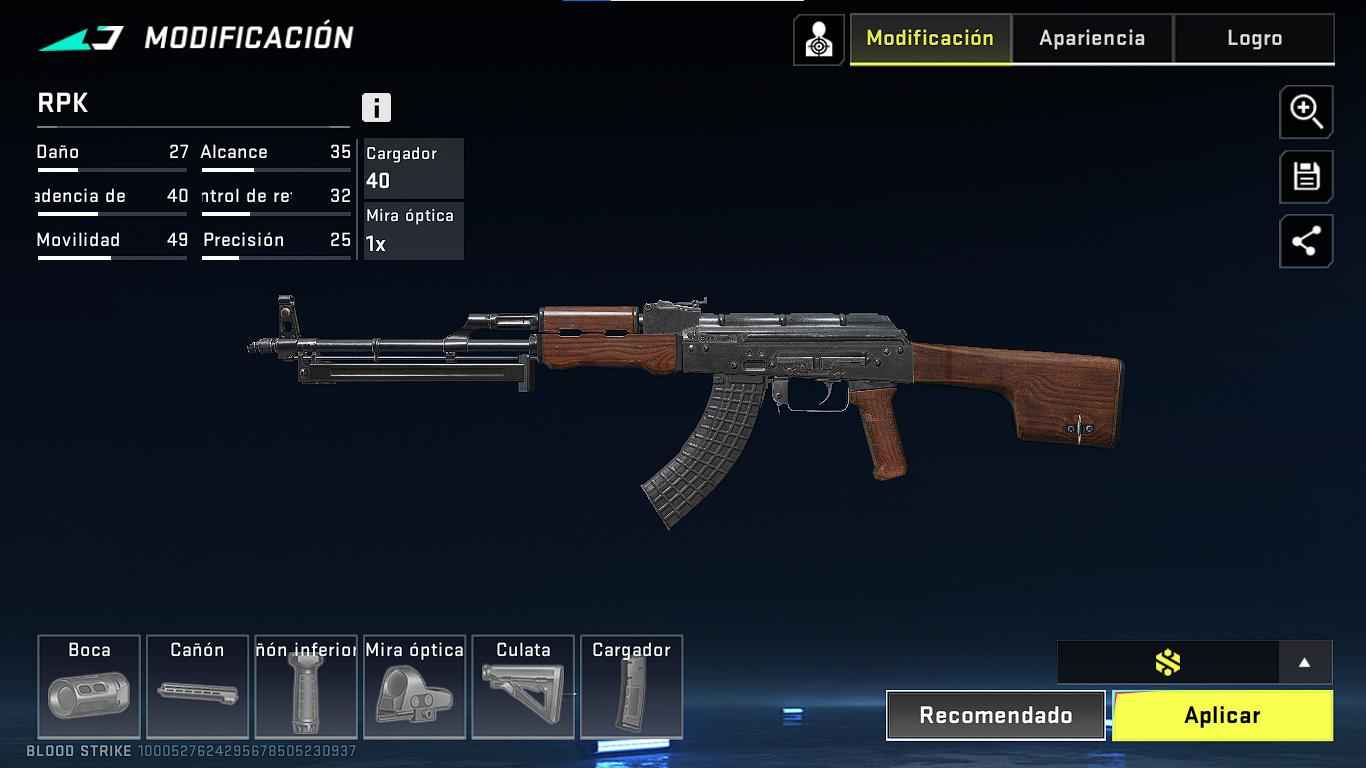
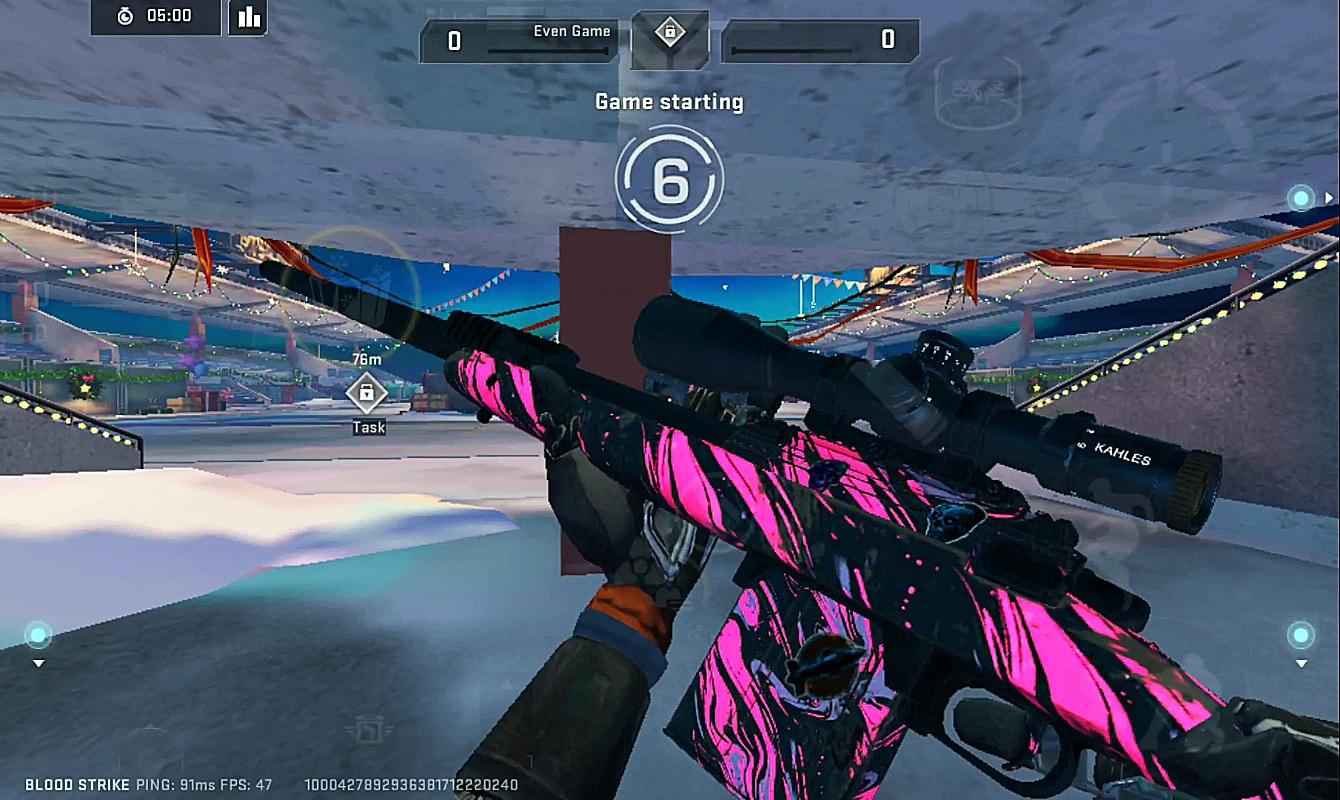
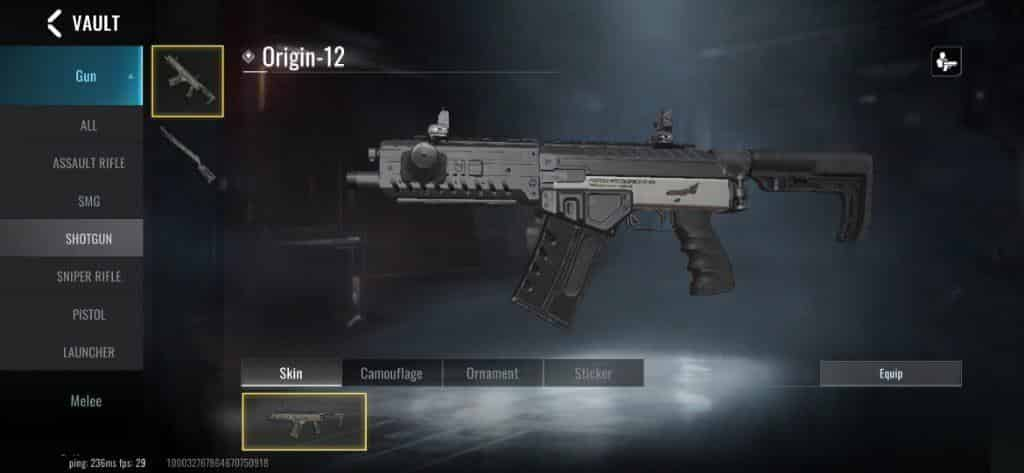
Start With a Weapon You Can Control Consistently
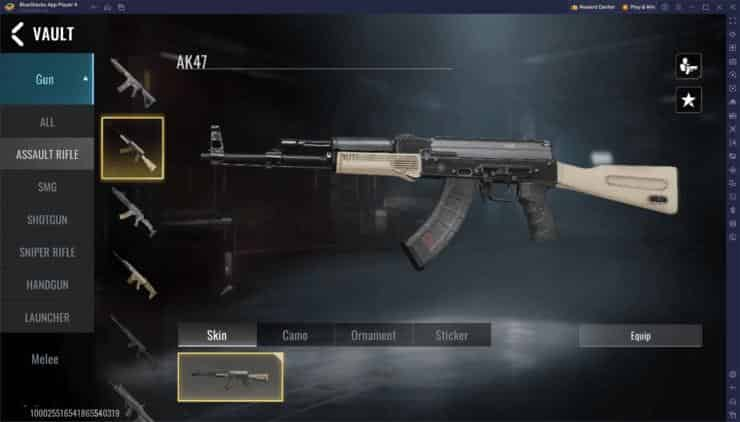
A weapon with manageable recoil can help beginners develop better shooting habits. Assault rifles are a practical starting point because of their versatility across different combat situations.
Once players become comfortable with one weapon, they can gradually test other options and learn how their recoil patterns differ.
The goal is not to master every weapon immediately. Building consistency with a small selection of weapons is a more practical way to improve.
Looking to get more out of your Blood Strike experience? Whether you want to unlock new cosmetic items or access other eligible in-game content, having enough Gold can give you more options. Visit TOPUPlive to explore Blood Strike Gold top-up options and enjoy a more rewarding gaming experience.

▍How Weapon Attachments Affect Recoil Control
Weapon attachments can influence handling, stability, aiming, and other weapon characteristics. The available attachment options and their exact effects depend on the weapon and the current game version.
When building a loadout for recoil control, players should pay attention to attachments that improve stability or make the weapon easier to handle.
Prioritize Attachments That Improve Stability
Depending on the weapon and available customization options, useful attachment categories may include:
Attachment Category | Potential Benefit | What to Consider |
|---|---|---|
Muzzle Attachments | May help reduce certain types of recoil. | Check the attachment's actual weapon statistics. |
Underbarrels | May improve weapon stability or handling. | Prioritize the effect that addresses your biggest recoil problem. |
Stocks | May influence stability and weapon handling. | Compare recoil-related benefits with mobility trade-offs. |
Optics | Provide different aiming views. | Choose a sight that makes target tracking comfortable. |


Not every attachment improves recoil, and some configurations may involve trade-offs. For example, an attachment that improves stability may affect another weapon characteristic.
Build Your Loadout Around Your Shooting Style
The best attachment combination depends on how you use a weapon.
- Aggressive players: May prefer a setup that balances recoil control with mobility and handling.
- Mid-range players: Can prioritize stability and comfortable aiming.
- Long-range players: Should focus on precision and a sight that makes distant targets easier to track.
It is also important to compare the weapon before and after equipping an attachment. Testing the actual difference is more reliable than assuming an attachment is useful based only on its name.
▍Practical Recoil Control Training Routine
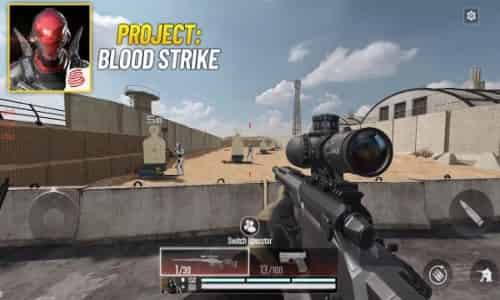
Understanding recoil theory is useful, but consistent improvement comes from practice. A short and structured routine can help players develop better muscle memory and identify weaknesses in their shooting technique.
If a Training Ground or practice environment is available in the current version, it is a suitable place to perform these exercises without the pressure of a real match.
Exercise 1: Test the Recoil Pattern
Choose an automatic weapon and fire at a stationary target.
Pay attention to how the crosshair moves during a sustained burst. Repeat the test without making aiming corrections, then try to compensate for the weapon's movement. This helps players understand the difference between the weapon's natural recoil and their own aiming adjustments.
Exercise 2: Practice Short Bursts
Use the same weapon and fire several short bursts at a stationary target.
Focus on keeping each burst close to the target instead of trying to empty the entire magazine at once. Gradually increase the distance as your control improves.
Exercise 3: Track Moving Targets
Once basic recoil control becomes comfortable, practice following moving targets.
Keep the crosshair near the target while making small adjustments. Avoid moving the aim too aggressively, especially when the target changes direction.
This exercise develops tracking skills that are useful during real gunfights.
Exercise 4: Practice While Moving
Real engagements rarely involve standing completely still. Practice aiming while moving and learn how your weapon handles in different situations.
Pay attention to how movement affects your ability to track an opponent. Avoid assuming that one shooting technique will work equally well in every situation.
Better aim and smarter positioning can also help you perform more consistently in ranked matches. If you want to understand how competitive progression works and learn how to climb the ladder more efficiently, read our Blood Strike Ranked System Explained: How to Rank Up Faster guide.
▍Common Recoil Control Mistakes to Avoid
Even players who understand recoil mechanics can develop habits that make their aim less consistent. Recognizing these mistakes can help speed up improvement.
Common Mistake | Why It Hurts Your Aim | How to Fix It |
|---|---|---|
Holding the Fire Button Too Long | Sustained fire can make recoil increasingly difficult to manage. | Use shorter bursts when appropriate. |
Pulling Down Too Aggressively | The crosshair may move below the target. | Make smaller and more controlled adjustments. |
Using Extremely High Sensitivity | Small input movements may cause excessive aim movement. | Test sensitivity gradually and prioritize consistency. |
Ignoring Crosshair Placement | More adjustment is needed when an opponent appears. | Keep the crosshair around likely enemy positions. |
Copying Other Players' Settings Blindly | Their device, layout, and preferences may differ. | Build settings around your own control habits. |
Changing Settings Too Frequently | It becomes difficult to develop consistent muscle memory. | Test one adjustment at a time and practice with it. |
Using the Same Firing Method at Every Distance | Different engagements require different levels of firing control. | Adapt between full-auto fire, bursts, and precise shots. |
▍FAQ about Blood Strike Recoil Control
1. What Is the Best Way to Control Recoil in Blood Strike?
The most effective starting point is to learn each weapon's recoil behavior, make gradual downward adjustments to counter vertical recoil, and use short bursts when sustained fire becomes difficult to control.
2. What Is the Best Sensitivity for Blood Strike?
There is no universal best sensitivity. The ideal settings depend on your device, control layout, input method, and personal preferences. Testing camera and ADS sensitivity separately is a practical way to find a comfortable configuration.
3. Does Gyroscope Help With Recoil Control in Blood Strike?
Gyroscope controls can help players make small aiming adjustments on supported devices. However, they require practice and are not essential for improving recoil control.
4. Which Weapon Type Is Best for Beginners to Practice Aim?
Assault rifles are a practical starting point because of their versatility. Beginners can use one comfortable weapon to learn recoil patterns, short-burst firing, and target tracking before trying more demanding weapons.
5. How Long Does It Take to Improve Aim in Blood Strike?
Improvement depends on practice frequency, current skill level, and consistency. A short daily routine focused on recoil patterns, burst firing, and target tracking can help players build better habits over time.
▍Conclusion
Improving aim in Blood Strike requires more than simply increasing sensitivity or choosing a weapon with low recoil. Players need to understand weapon behavior, adjust their aim gradually, use appropriate firing techniques, and practice target tracking consistently.
For beginners, the best approach is to start with a comfortable weapon, develop reliable recoil-control habits, and gradually apply those skills in real matches. With consistent practice and a suitable loadout, players can become more accurate and confident in different combat situations.
Looking to unlock more content and strengthen your in-game collection? Visit TOPUPlive for convenient Blood Strike top-up options and more gaming deals.

Lucas Brown
game writer
I focus on writing guides, tips, and strategy content for popular games. I specialize in breaking down complex systems and economy mechanics, helping players save time and currency while staying ahead of the latest updates and limited-time events.
Related products

Related News

Monster Hunter Outlanders Best Weapons: Weapon Tier List & Best Picks
Monster Hunter Outlanders Download & Install Guide: System Requirements & Download Size
Wuthering Waves 3.8 Tower of Adversity Guide: Buffs, Enemies, and Best Teams
Wuthering Waves 3.8 Pull Count: How Many Free Astrites and Pulls Can You Get?
Honor of Kings Guan Yu New Skin: Triumphant Knight – Release Date and Details
VALORANT Snowfall 2.0 Bundle: Release Date, Skins, Price, and Everything We Know
AFK Journey Thane Build Guide: Best Teams, Skills, Exclusive Weapon & More
ZZZ Deadly Assault 3.3 Guide: Best Teams, Bosses & Buffs